
Teachers must recognize (and teach) that our perspective shapes our expectations and outcomes. Lori Desautels shares three practices for tuning into and altering perspective.
Source: www.edutopia.org
Teachers must recognize (and teach) that our perspective shapes our expectations and outcomes. Lori Desautels shares three practices for tuning into and altering perspective.
Source: www.edutopia.org

Nearly half of teens report having texted while driving, student survey finds
Times Colonist
At the same time, the percentage of teens who reported bullying others at school was down to 16 per cent in 2013 from 30 per cent over the same period.
Source: www.timescolonist.com

Teaching empathy is better than other ways to prevent bullying, says researchers. Children are less likely to bully others if they are empathetic.
Children are less likely to pick on their peers if they know the extent that the damage they have done, can go to. Experts also back up this prevailing wisdom. But kids are not born empathetic. They are susceptible to impulses.
Trying to tame bullies by teaching them empathy is one of the most effective ways to prevent bullying. But experts also suggest that teaching empathy may have the opposite effect on children.
Is Empathy the Solution to Bullying?
Source: www.secureteen.com
We owe it to our students to call it what it is.
Hazing is violent behavior we’d never excuse under its real name: bullying and assault.
Hazing is tacitly permitted and spans the violence continuum from taunting, extortion, and humiliation, to forced substance abuse, and physical and sexual assault. Like all bullying, hazing is an abuse of power and it negatively affects both girls and boys. The problem continues to exist because students are afraid to report it, it flies under the radar of adult scrutiny, or adults are aware of it and do nothing. Looking the other way and this veil of secrecy provide the perfect mix for uncontrolled, destructive behavior under the guise of tradition and good fun.
The traditions and myths surrounding hazing allow it to enjoy a protected place in our culture, not just in our colleges, but also in…
View original post 777 more words

Hazing is violent behavior we’d never excuse under its real name: bullying and assault. Hazing is tacitly … Like all bullying, hazing is an abuse of power and it negatively affects both girls and boys.
Source: schoolclimate.com

‘However, while many people define genius differently, most agree that Richard Feynman was one and there is probably no better example of his brilliance than his famous talk, There’s Plenty of Room at the Bottom. It not only launched a revolution in physics and engineering that is still being played out today, it shows us how a true genius really thinks.’
Source: www.creativitypost.com

… and regrets it, even to this day.
Source: www.upworthy.com
When school administrators don’t step in and stop racist bullying at the earliest opportunity, sometimes it is the bully who gets harmed far worse than his victims!
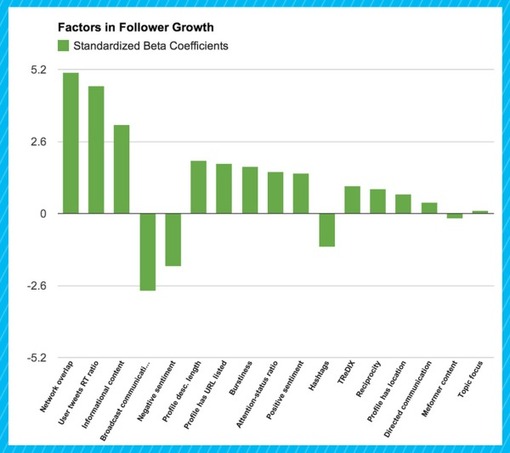
When I choose someone new to follow, when I compose a new tweet, when I share and favorite an update, I seldom think about the why. My following sessions would probably seem haphazard to an outsider, and my favoriting technique comes and goes from one strategy to another.
Even so, the way I use Twitter is far less random than I thought. There is science and psychology behind the way we all tweet.
Researchers have discovered trends in the way that we perform every major action on Twitter—favoriting, updating, sharing, and following. And there’s even an interesting bit of psychology behind what makes Twitter so attractive in the first place. Here’s a look at the psychology of Twitter: what makes us follow, favorite, share and keep coming back for more….
Source: 3cseo.com


 terryclarke blog